Destination Overview
Jannat-ul-Baqi (جَنَّةُ الْبَقِيع), also known as Al-Baqiʿ (البقيع) or Baqiʿ al-Gharqad, is the historic cemetery situated beside Masjid an-Nabawi in Madinah, Saudi Arabia. It is one of the most important and revered burial grounds in Islamic history.
Al-Baqi has been associated with the Muslim community of Madinah since the time of Prophet Muhammad ﷺ. Numerous members of the Prophet’s ﷺ family, his Companions (رضي الله عنهم), his wives, and many distinguished Muslims of the early generations were buried here. Because of these connections, Jannat-ul-Baqi holds a special place in the hearts of Muslims visiting Madinah.
🌿 Historical Importance
The cemetery became an important burial place during the lifetime of the Prophet Muhammad ﷺ. Several prominent Companions and members of the Prophet’s ﷺ household were laid to rest there. The Prophet ﷺ also visited Al-Baqi and made supplication for those buried there.
Among the well-known personalities traditionally associated with burials at Al-Baqi are Uthman ibn Affan (RA), the third Caliph of Islam, Hasan ibn Ali (RA), the beloved grandson of the Prophet ﷺ, and several other members of the Prophet’s family and descendants.
A number of the Prophet’s ﷺ wives, known as the Mothers of the Believers, are also traditionally identified as being buried in Al-Baqi, including Aisha (RA), Hafsa (RA), Umm Salamah (RA), and others.
🕌 Connection with Masjid an-Nabawi
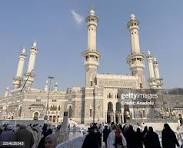
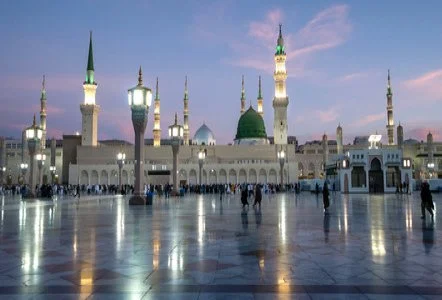
Jannat-ul-Baqi is located immediately adjacent to the eastern side of Masjid an-Nabawi. Its close location makes it one of the significant sites associated with visits to Madinah.
For pilgrims performing Hajj or Umrah, visiting Al-Baqi can be a deeply reflective experience. The cemetery reminds visitors of the generations of Muslims who lived, worshipped, served Islam, and eventually returned to Allah.
🤲 Visiting Jannat-ul-Baqi
The purpose of visiting a Muslim cemetery is to remember death, reflect upon the Hereafter, and make du‘a for the deceased. Visitors should maintain humility, dignity, and respect.
A well-known supplication for visiting graves is:
السَّلَامُ عَلَيْكُمْ دَارَ قَوْمٍ مُؤْمِنِينَ، وَإِنَّا إِنْ شَاءَ اللَّهُ بِكُمْ لَاحِقُونَ
Transliteration:
As-salāmu ʿalaykum dāra qawmin mu’minīn, wa innā in shā’ Allāhu bikum lāḥiqūn.
Meaning:
“Peace be upon you, dwelling place of believing people. Indeed, if Allah wills, we will join you.”
Visitors may also make sincere du‘a asking Allah to forgive and have mercy upon those buried there.
🌙 A Place of Reflection
Jannat-ul-Baqi is more than a historic cemetery. For Muslims, it is a powerful reminder of the temporary nature of worldly life and the importance of preparing for the Akhirah (Hereafter).
The resting place of so many Companions and members of the Prophet’s ﷺ family inspires visitors to reflect upon their sacrifices, devotion, patience, and service to Islam.
📍 Location
Jannat-ul-Baqi
Madinah, Saudi Arabia
Adjacent to Masjid an-Nabawi
✨ Jannat-ul-Baqi for Umrah Pilgrims
For pilgrims visiting Madinah as part of an Umrah journey, Jannat-ul-Baqi is an important historical site. A respectful visit provides an opportunity to remember the early Muslim community, make du‘a for the deceased, and strengthen one's awareness of the Hereafter.
Jannat-ul-Baqi (جَنَّةُ الْبَقِيع) — a historic resting place beside Masjid an-Nabawi, connecting visitors with the legacy of the Prophet ﷺ, his family, his Companions, and generations of Muslims who preceded us.