Home Destinations Ustuwanat (Sacred Pillars) of Masjid an-Nabawi

Ustuwanat (Sacred Pillars) of Masjid an-Nabawi

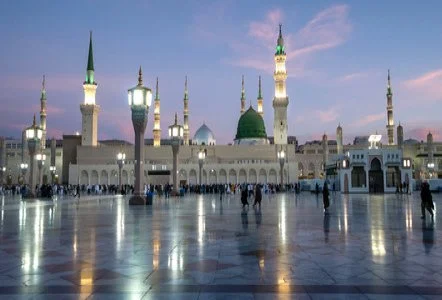
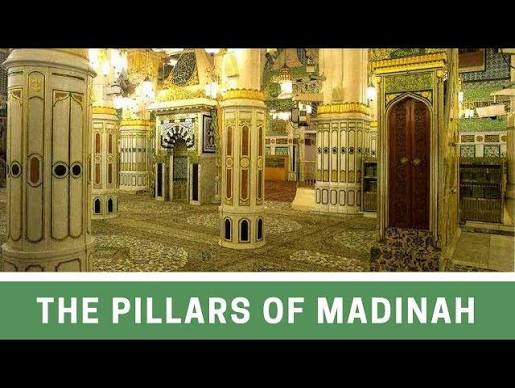
The Ustuwanat are the historic pillars inside Masjid an-Nabawi that mark significant locations associated with the life of Prophet Muhammad ﷺ. Each pillar commemorates an important event, such as where the Prophet ﷺ prayed, delivered sermons, received delegations, rested during I'tikaf, or where notable incidents involving his companions took place. Today, these pillars serve as cherished historical landmarks, offering visitors a deeper understanding of the Prophet's ﷺ life and the rich heritage
Destination Overview

The historic pillars (Arabic: Ustuwanat) inside Masjid an-Nabawi mark places associated with important events from the life of Prophet Muhammad ﷺ. The following are eight of the most well-known pillars: Ustuwanah Aisha (Pillar of Aisha) Identified by Hazrat Aisha (RA) as a place where the Prophet ﷺ often prayed. Also known as the Pillar of the Muhajireen. Ustuwanah Hannanah (Pillar of the Weeping Trunk) Marks the location of the palm trunk that cried when the Prophet ﷺ began delivering sermons from a new pulpit (Minbar). One of the most famous historical sites in the mosque. Ustuwanah Tawbah (Pillar of Repentance) Associated with the repentance of Abu Lubabah ibn Abd al-Mundhir. He tied himself to this pillar until Allah accepted his repentance. Ustuwanah Sarir (Pillar of the Bed) Marks the place where the Prophet ﷺ would rest during I'tikaf in Ramadan. "Sarir" means bed or resting place. Ustuwanah Wufud (Pillar of Delegations) The Prophet ﷺ received tribal delegations here. Many important meetings with visitors took place at this location. Ustuwanah Hars (Pillar of the Guard) Named because companions used to guard the Prophet ﷺ at this place before Allah's protection was revealed. Also called the Pillar of Ali (RA). Ustuwanah Mukhallaqah (Pillar of Perfume) Named because perfume was traditionally applied here. Located within the Rawdah area. Ustuwanah Tahajjud (Pillar of Tahajjud) Marks the place where the Prophet ﷺ regularly offered the night (Tahajjud) prayer. A spiritually significant location for worshippers.

Destination Highlights

Historic Landmarks: The Ustuwanat mark significant locations connected to the life of Prophet Muhammad ﷺ.
Located in the Rawdah: Most of the famous pillars are situated within or near the blessed Rawdah in Masjid an-Nabawi.
Ten Famous Pillars: The best-known Ustuwanat include Hannanah, Aisha, Tawbah, Sarir, Tahajjud, Wufud, Hars, Mukhallaqah, Qur'ah, and Jibreel.
Rich Islamic Heritage: Each pillar commemorates an important historical event, teaching, or act of worship from the Prophet's ﷺ life.
Spiritual Significance: Several pillars mark places where the Prophet ﷺ offered voluntary prayers, performed Tahajjud, or observed I'tikaf.
Companions' Legacy: Some pillars are associated with notable companions, including Hazrat Aisha (RA), Abu Lubabah (RA), and Hazrat Ali (RA).
Popular Ziyarat Site: Pilgrims from around the world visit these pillars to learn about the history of Islam
Preserved Through History: Although the original palm-trunk pillars were replaced over time, their historic locations have been carefully preserved.
Educational Value: The Ustuwanat help visitors understand the original layout of the Prophet's Mosque and important events that took place there.
Reminder of the Prophet's ﷺ Sunnah: These historic markers inspire Muslims to reflect on the life, worship, and teachings of Prophet Muhammad ﷺ.

Quick Facts

Location:

Ustuwanat (Sacred Pillars) of Masjid an-Nabawi

Best Time to Visit:

Year-round destination

Climate:

Temperate, varies with seasons

Altitude:

Varies across the region

Need Help?

Our travel experts can help you plan your perfect trip to Ustuwanat (Sacred Pillars) of Masjid an-Nabawi.

Contact Us Browse All Packages